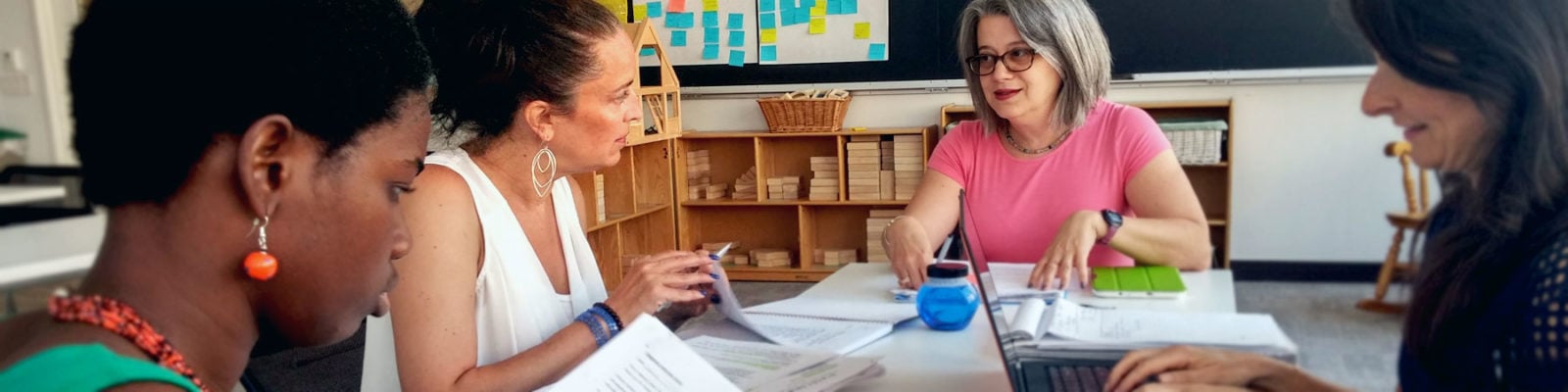
Early Childhood Research & Policy
Erikson Institute conducts applied early childhood research and translates evidence into public policy, leadership development, and community action that improve outcomes for young children and families.
Join us in uncovering knowledge and driving change in the service of children.
Meet our Faculty & Staff
Sign Up for Research & Policy Updates
How Erikson Connects Early Childhood Research and Public Policy
Erikson Institute brings expertise in child development, early childhood education, family support, and the early childhood workforce to research and public policy.
Our researchers study real-world challenges facing children, families, educators, and communities, then work to translate those findings into practical recommendations for policymakers, practitioners, organizational leaders, and advocates.
At the heart of Erikson Institute is our mission: to educate, inspire and promote leadership that supports children and families in reaching their full potential. By conducting critical early learning research and influencing data-driven public policies, we’re creating lasting change to positively impact children.
Early Childhood Research Informs the Need for Action
We conduct applied research and use evidence to inform childhood policy, programs, and leadership decisions affecting young children and families.
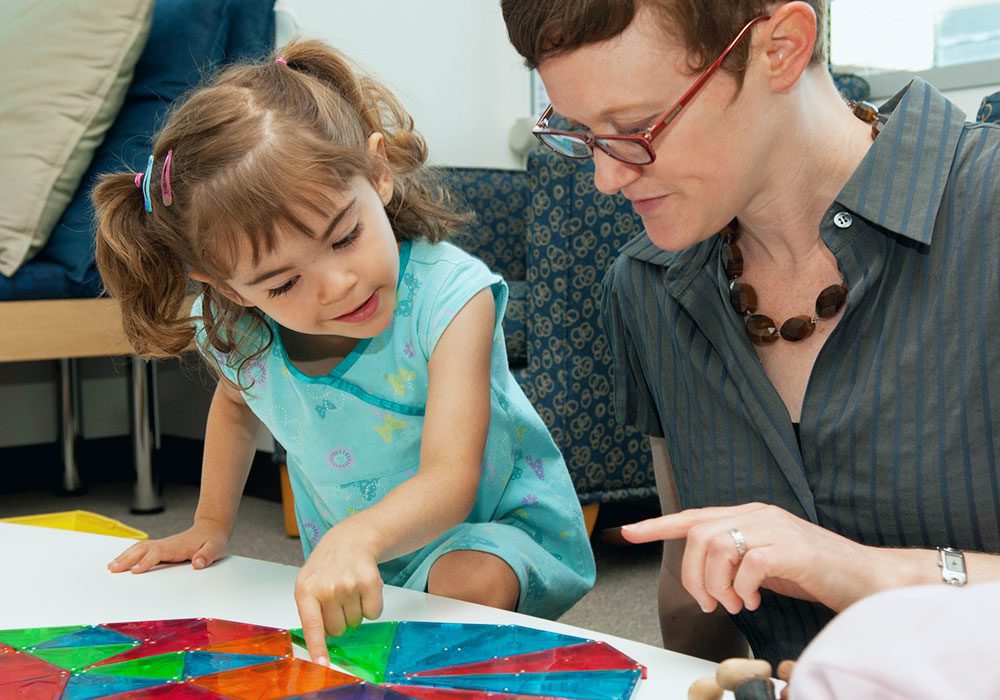
child development & early learning Research
Answering the Most Challenging Child Development Research Questions
Erikson Institute conducts applied research to answer real-world questions about how young children develop, learn, and thrive—and how families, educators, communities, and public systems can better support them. Our researchers focus on:
- Assessments
- Early Childcare Workforce
- Family Supports
- Home-Based Child Care
- Infants and Toddlers
- Schools and Teachers
- Technology and Young Children
Meet our researchers, read our reports, and join us in discovering how we can change the world to better serve the needs of children and families.
Executive Education
Empowering Leaders to Evolve Public Policies Based on Data
The more we know, the better we can serve children, families, and communities.
Erikson Institute helps policymakers, public-sector leaders, advocates, and early childhood professionals use research and science to make more informed childhood policy and systems decisions.

Erikson contributes child development and early childhood expertise to policy discussions, with particular focus on workforce issues and developing informed advocates and leaders.

Fellowships and workshops help leaders apply early childhood science, systems thinking, and current early learning research to policy and organizational decision-making.

Erikson provides tailored learning, coaching, and consultation to help organizations strengthen strategy, leadership, and professional practice.
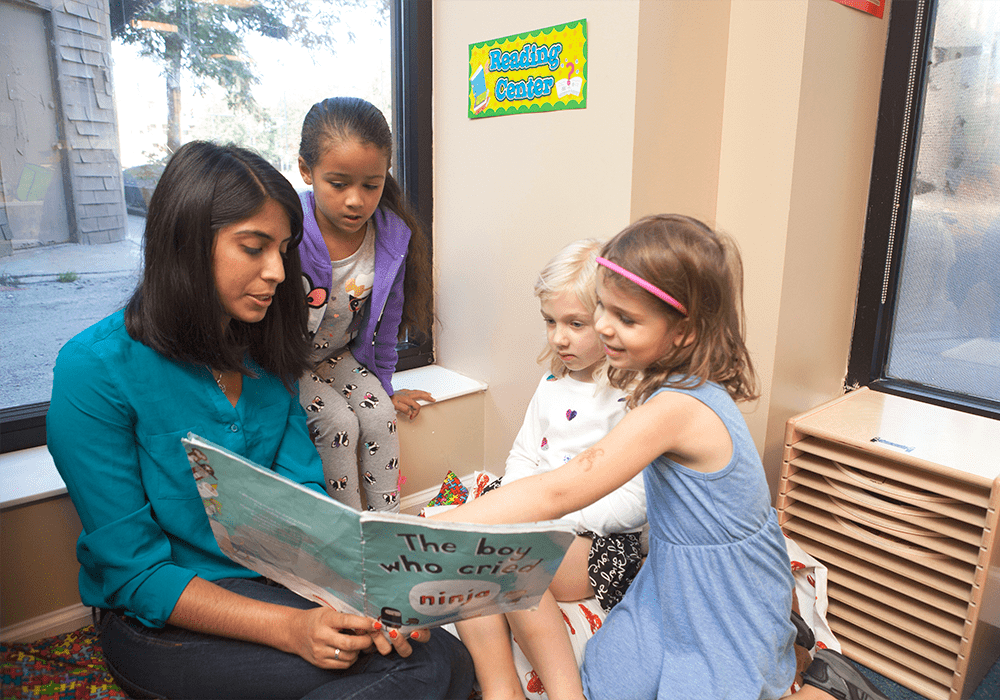
Who Erikson’s Research & Policy Work Supports
Erikson’s research and policy expertise supports policymakers, government agencies, early childhood leaders, educators, researchers, advocates, funders, community organizations, and other professionals working to improve systems and services for young children and families.

Find out what’s happening in the world of child development
Subscribe for the latest updates on policy and applied research at Erikson and around the nation.
The Latest Applied Research
Explore Our Research in Early Child Development
Our team of researchers is at the forefront of early childhood development applied research.

About Erikson Institute
Erikson Institute is a Chicago-based graduate school and applied research institution focused exclusively on early childhood development, education, and social work. Since 1966, Erikson has prepared professionals, conducted applied research, informed public policy, and partnered with communities to improve outcomes for young children and families.
With decades of specialized early childhood expertise, strong graduate career outcomes, and a model that connects research, education, policy, and practice, Erikson equips educators, clinicians, researchers, policymakers, and organizational leaders to make more informed decisions for children and families.

Research Informs Policy. Policy Changes the Nation.
And one person can change the world. Connect with our policy and applied research staff to see how we can make a difference.