Children Are Not Just Becoming—They Are Already Being
Childhood is not a waiting room for real life. Young children are citizens of the present, with perspectives and rights that matter now.
By Mariana Souto-Manning, PhD, President, Erikson Institute
At a Glance
Adults love to ask children what they want to be when they grow up. A firefighter. A teacher. A veterinarian. A dinosaur. A person who drives the ice cream truck but never charges anyone. Children’s answers are often delightful, and the question can open a window into imagination. Yet beneath it sits an assumption worth examining: the child’s most important life is still ahead. The child is becoming someone.
Children are becoming, and they are also being.
They are living full emotional, intellectual, social, cultural, and moral lives in the present. Childhood is not a rehearsal. It is not a hallway children pass through on the way to personhood. It is part of personhood.
This sounds simple. In practice, it asks a great deal of us.
The danger of seeing only potential
When adults see a child mainly as future potential, we may begin to value whatever appears to prepare that child for later success. We ask whether an activity builds school readiness, whether a book grows vocabulary, whether play develops executive function, whether preschool improves later earnings.
But children should not have to justify their present lives by proving a future return on investment.
A three-year-old deserves a beautiful, safe learning environment even if no economist ever calculates the benefit. A baby deserves responsive care because the baby is a person, not only because responsive care may improve graduation rates decades later. A child deserves to play because play is part of a full childhood, not merely because it supports future productivity.
The Convention on the Rights of the Child rests on this understanding. Children have rights to survival, development, protection, participation, identity, family relationships, education, culture, rest, play, and freedom from discrimination.
These are not prizes awarded after children demonstrate readiness. They belong to children because children are human beings.
Dependence Is Not Deficiency
Young children depend on adults. They need us to provide food, safety, transportation, language, boundaries, emotional regulation, and access to the world.
Yet our culture often treats independence as the measure of worth. The sooner a child sleeps alone, separates easily, ties shoes, controls tears, reads words, or solves a problem without help, the more “advanced” the child may appear.
Development does involve growing capacities. But dependence is not a defect to eliminate as quickly as possible.
Human beings are interdependent across the lifespan. We need one another when we are born, when we are ill, when we grieve, when we age, when we are overwhelmed, and when life is simply too much for one nervous system to carry alone.
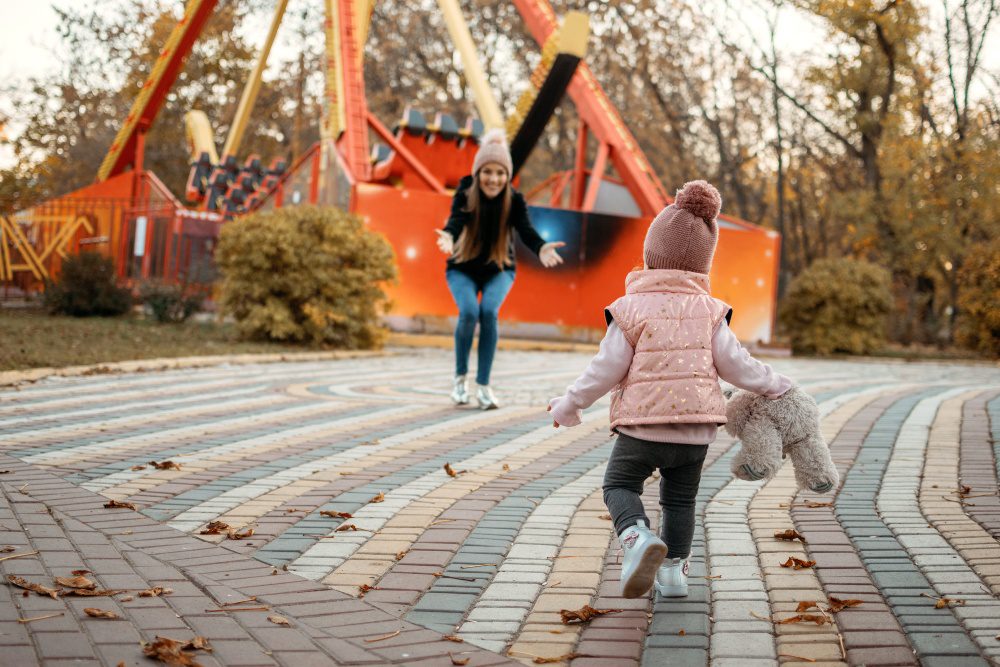
Young children make this truth visible. A toddler runs from a trusted adult, explores, and returns for reassurance. A preschooler insists, “I can do it myself,” then needs help with the zipper. A child can be competent and dependent in the same minute. So can we.
When we honor children’s being, we do not freeze development or lower expectations.
We meet the actual child in front of us. We ask what this child understands, communicates, remembers, fears, loves, and needs. We recognize competence without pretending children do not need protection. We offer support without confusing support with control.
The Child in the Room
Institutions make decisions about children constantly. Adults decide schedules, curricula, transportation routes, playground designs, health protocols, discipline policies, technology use, funding formulas, and staffing levels. Children experience the results, but their perspectives often remain absent.
Sometimes adults say children are too young to contribute. Yet contribution does not require a formal speech at a board meeting.
An infant turns away when stimulation is too much. A toddler points toward the toy that matters. A preschooler can tell us which part of the day feels scary, where exclusion happens, which bathroom is difficult to use, or why a classroom rule does not make sense.
Listening to young children requires fluency in more than words. It means attending to play, drawing, movement, silence, gesture, home languages, repeated stories, and behavior.
At Erikson Institute, our preparation of educators, social workers, child development specialists, and leaders is grounded in the whole child within relationships, families, cultures, and systems. We prepare professionals to notice context, reflect on power, and translate knowledge into practice.
That orientation matters because the question is never only, “How do we help this child become successful?”
It is also, “How do we recognize this child’s full humanity today?”
What Changes When Children Are Already Somebody
If children are already somebody, we stop referring to care as custodial and education as preparation alone.
We understand that a diaper change can protect dignity. A meal can honor culture. A story can affirm identity. A classroom meeting can practice democracy. A calm limit can protect safety without humiliation. A family partnership can redistribute expertise instead of merely collecting information.
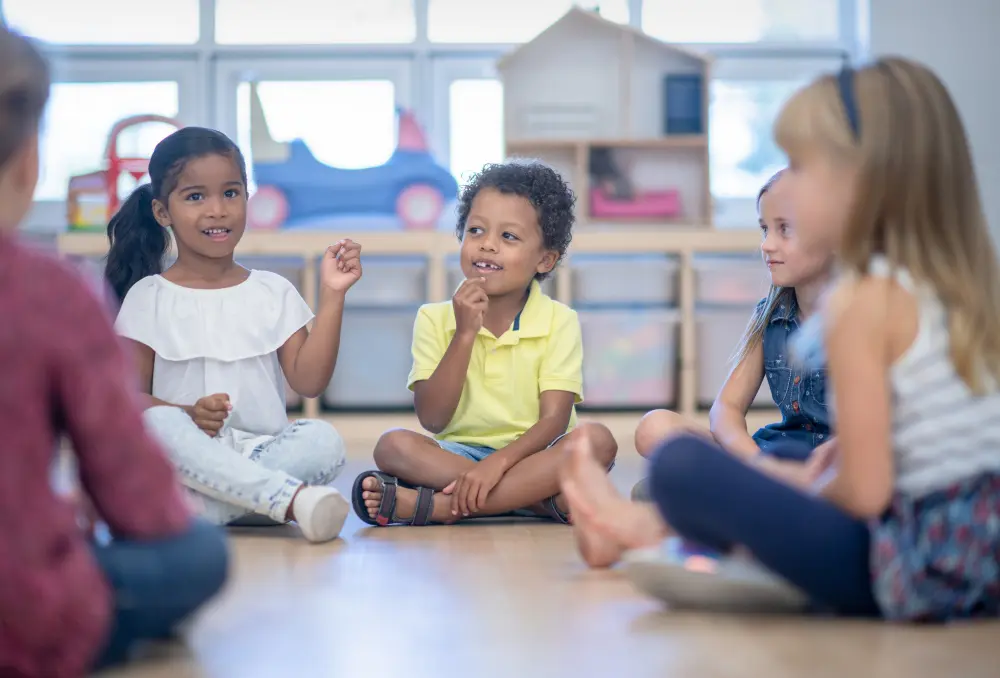
We also become more cautious with the stories we tell about children.
“She is shy.” “He is behind.” “They are difficult.”
Labels can turn a moment into an identity.
A child who watches before entering may be careful, observant, or navigating a new language. A child who refuses may be protecting bodily autonomy, seeking predictability, or communicating distress.
Developmental knowledge should deepen our curiosity, not harden our conclusions.
The question “What do you want to be?” can remain. But perhaps we should ask other questions too.
- What do you love right now?
- What do you notice that adults miss?
- What makes you feel like you belong?
- What would you change here?
- What story are you telling?
Children are becoming.
They are also being—thinking, feeling, relating, imagining, resisting, contributing, and making meaning now.
Our responsibility is not merely to prepare them for the world they will inherit.
It is to take them seriously in the world they already inhabit, and to make that world more worthy of them.
Erikson Resources, References, and Further Reading
• “1,800 Days: The History of Early Childhood in the U.S.”
• “About Erikson Institute.” Mission, vision, and institutional commitments to education, research, advocacy, and lasting change.
• “Master of Science in Early Childhood Education.” Preparation for educators committed to recognizing and teaching every child in their full complexity.
Other Research and Rights Sources
• National Association for the Education of Young Children. “Developmentally Appropriate Practice Position Statement.”
• United Nations. Convention on the Rights of the Child.
Join the Erikson family with monthly news + events updates shared by academics, community members, and families.
Create a Better Future For Children While Building Yours
Embark on your early childhood graduate program path at Erikson Institute and start changing lives.